
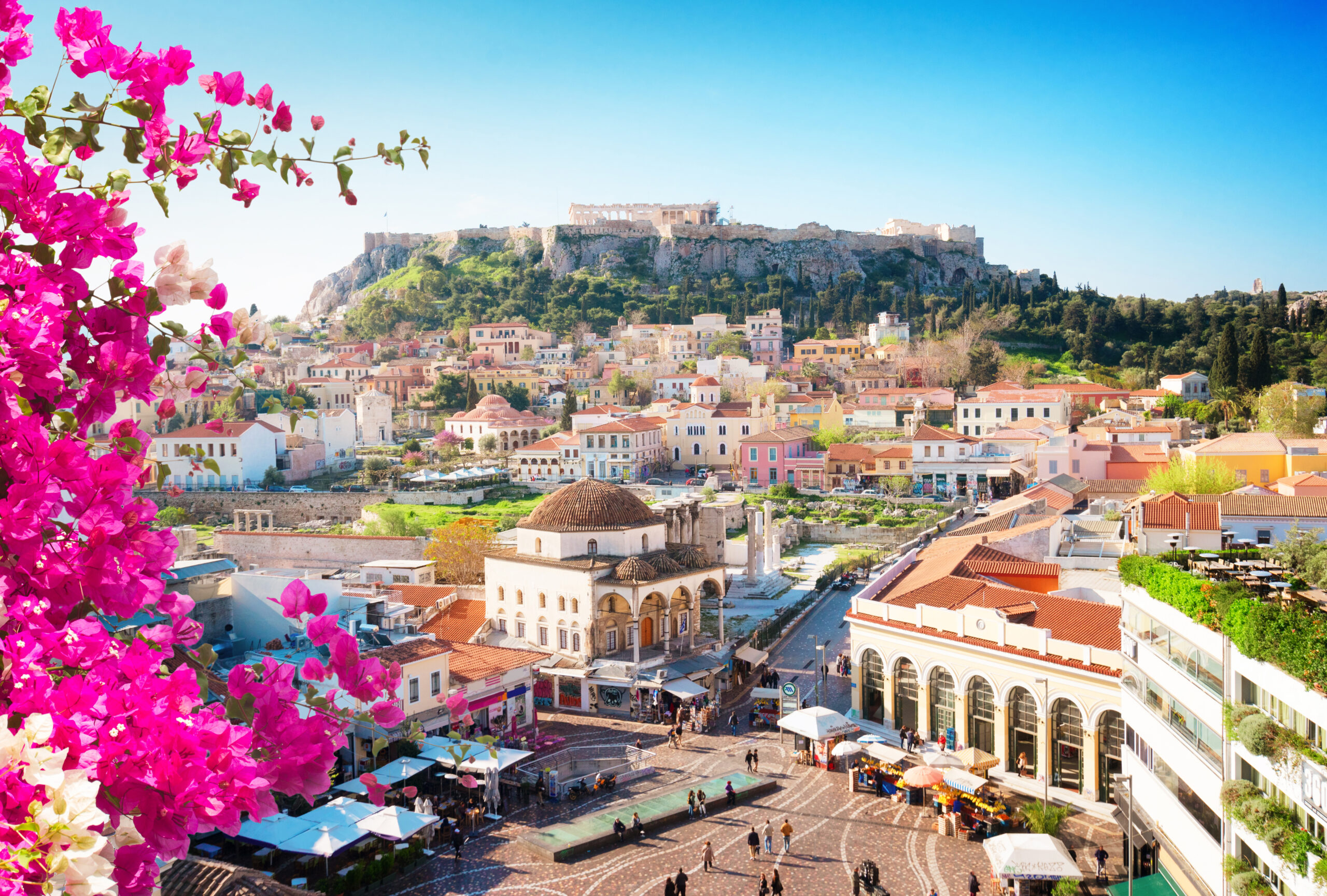
The Neighborhood of the Gods
I knew I would love Athens because I am an ancient history geek. Give me some ruins, a little mythology, a bowl of tzatziki, and I’m pretty much all set. However, I never expected to fall in love with the neighborhood our hotel was located in.
Let me introduce you to Plaka – the “Neighborhood of the Gods.”
Nestled at the foot of the Acropolis, Plaka is Athens’ oldest neighborhood and, if you ask me, one of its most charming. It’s the kind of place where you’ll swear every tiny alley is prettier than the last. One minute you’re shopping for handmade jewelry, the next you’re sipping a glass of crisp Greek wine under a vine-covered terrace while someone nearby insists you simply must try the homemade baklava.
Don’t fight it. You’re exactly where you’re supposed to be.
What Does “Plaka” Mean?
Interestingly, no one knows for certain.
One of the most popular theories is that the name comes from the Greek word plaka, meaning “stone slab.” Historians believe it may refer to a large stone plaque discovered in the area centuries ago. Like many ancient places, Athens has a habit of uncovering bits of history every time someone starts digging.
It’s just one more reminder that in Athens, the past is never very far below your feet.
A Neighborhood With Thousands of Years of Stories
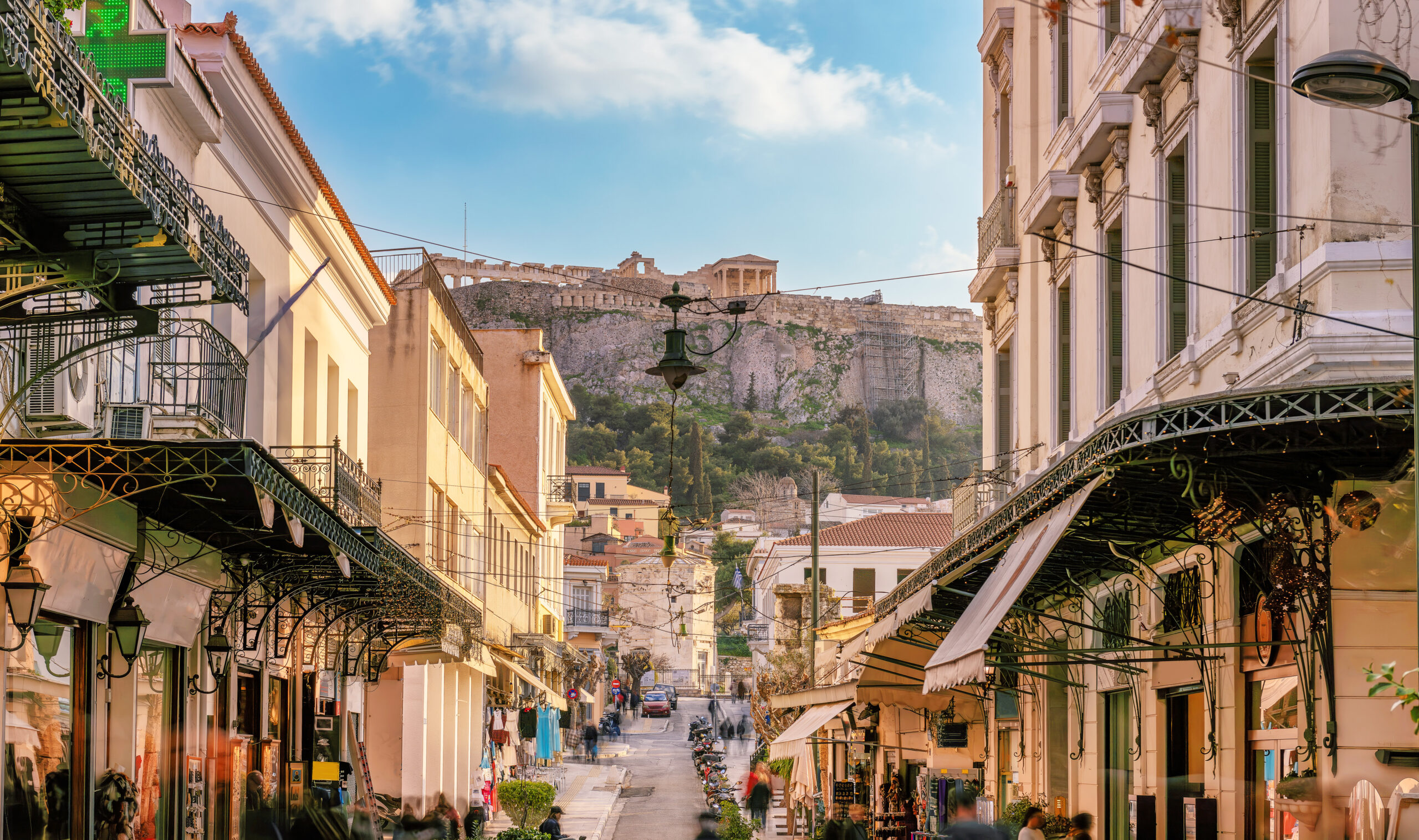
Walking through Plaka feels a little like strolling through a living museum.
The neighborhood has been continuously inhabited since ancient times, making it one of the oldest residential areas in Europe. Over the centuries it has lived through the glory of Classical Greece, the Roman Empire, the Byzantine era, Ottoman rule, and modern Greece.
That’s a lot of history packed into a few winding streets.
One of the things that makes Plaka so special is that it doesn’t feel frozen in time. People actually live here. Laundry hangs from balconies. Cats nap on sunny stone steps. Local shop owners greet returning customers like old friends. History and everyday life exist side by side in the most delightful way.
Just a Short Walk From the Acropolis
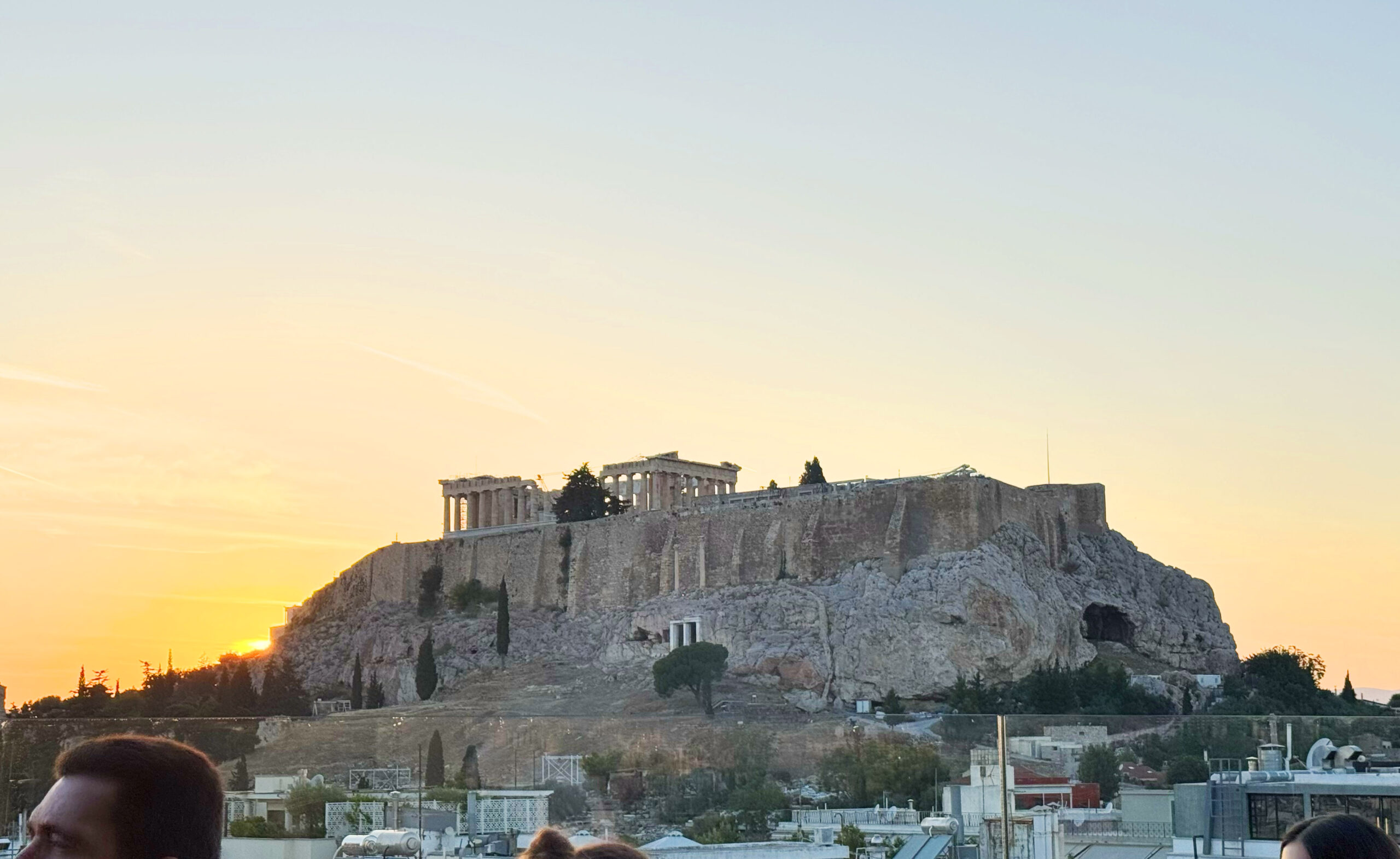
One of Plaka’s biggest advantages is its location. There’s a reason it’s referred to as the “neighborhood of the Gods,” and it’s because of its proximity to ancient sites.
The Acropolis towers above the neighborhood, which means you’re only a short walk from one of the world’s most iconic archaeological sites.
Seriously, you can enjoy a leisurely breakfast, wander through Plaka’s maze of colorful streets, and still be standing at the entrance to the Acropolis within minutes.
No frantic taxi rides.
No complicated public transportation.
No wondering if you’re heading in the right direction.
Just follow the giant hill with the ancient temple on top. It’s impossible to miss.
Many visitors choose to explore the Acropolis first thing in the morning before the summer heat sets in. Afterward, Plaka becomes the perfect place to reward yourself with lunch, a cold drink, or perhaps what you’ll convince yourself is “just one more” scoop of pistachio gelato.
We’ve all been there.
Getting Happily Lost Is Part of the Experience
Normally, I’m a big fan of Google maps.
Plaka is the exception.
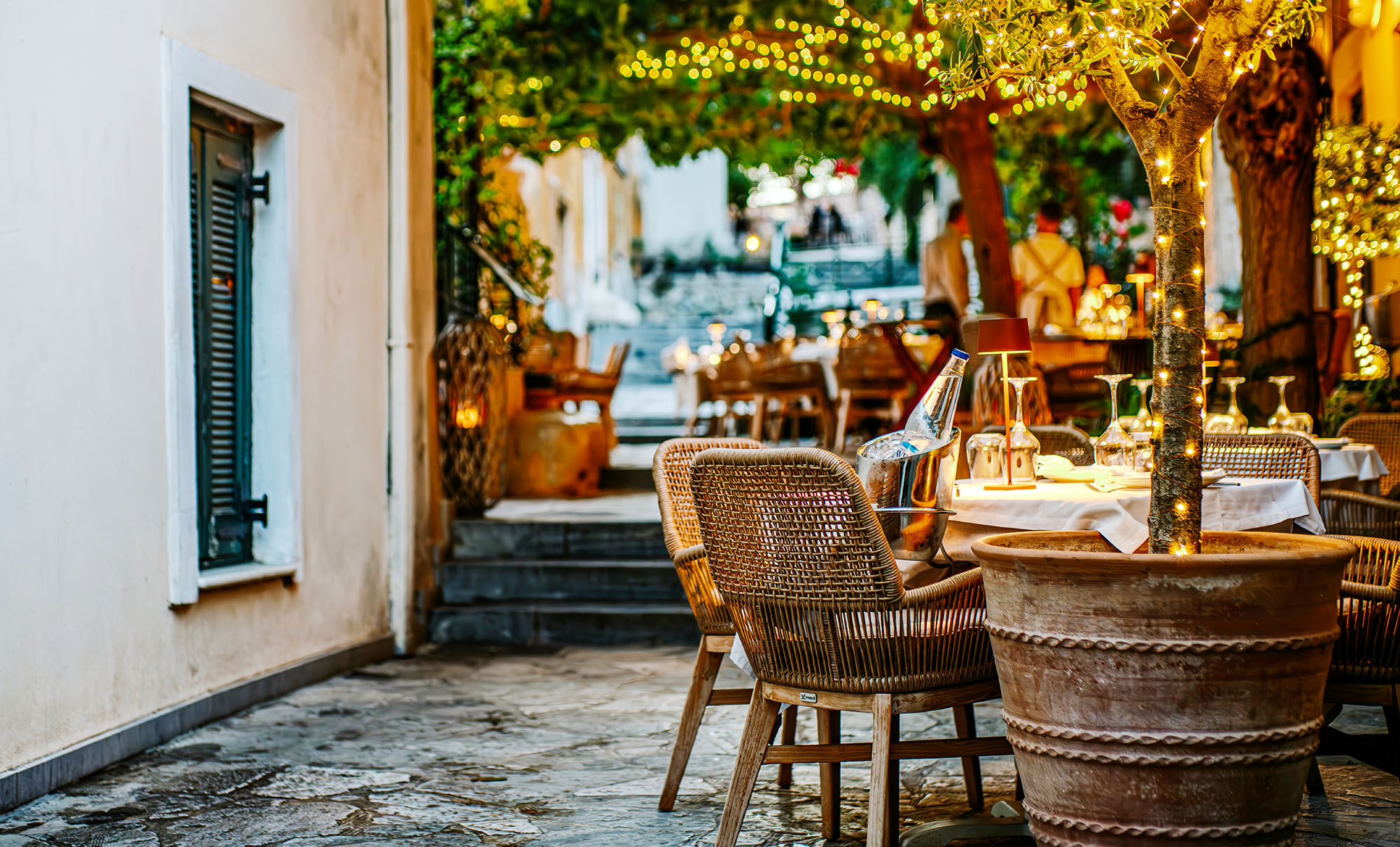
Some of the neighborhood’s best discoveries happen when you put your phone away and simply wander. Tiny staircases lead to hidden courtyards. Family-owned tavernas appear around unexpected corners. Bougainvillea spills over whitewashed walls, creating scenes that seem almost too perfect to be real.
If you find yourself saying, “Let’s just see what’s down this street,” you’re doing Plaka exactly right.
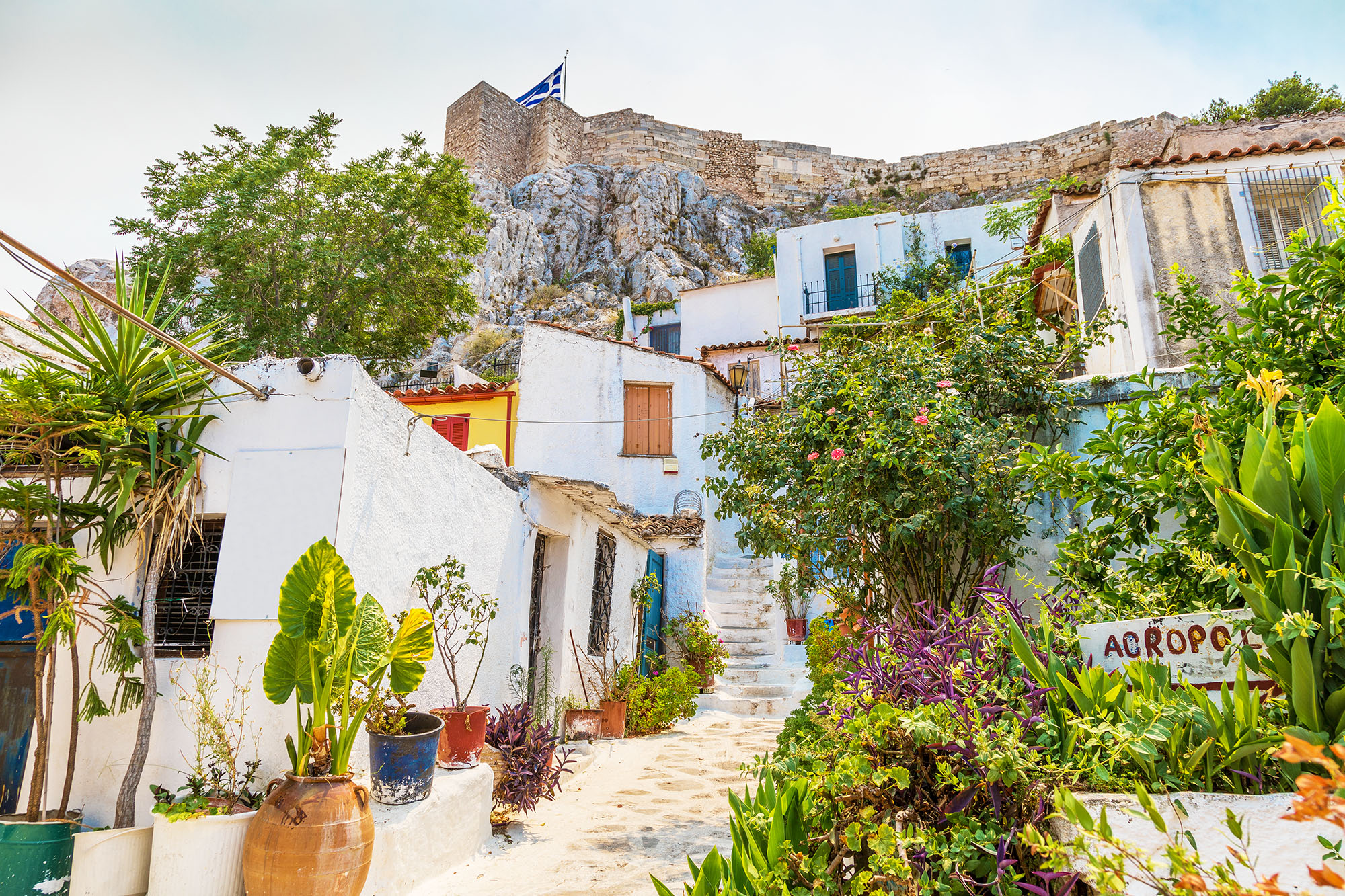
Don’t Miss Anafiotika
Tucked into the upper slopes of Plaka is one of Athens’ best-kept secrets.
Anafiotika is a tiny neighborhood built in the 1800s by craftsmen from the island of Anafi who came to Athens to help construct King Otto’s palace. Missing their island homes, they recreated them beneath the Acropolis.
Suddenly, the busy city disappears.
Instead you’ll find narrow footpaths, whitewashed cottages, colorful shutters, flowering plants, and sleepy cats stretched across warm stone walkways.
For a few moments, you’ll forget you’re standing in the middle of one of Europe’s busiest capital cities.

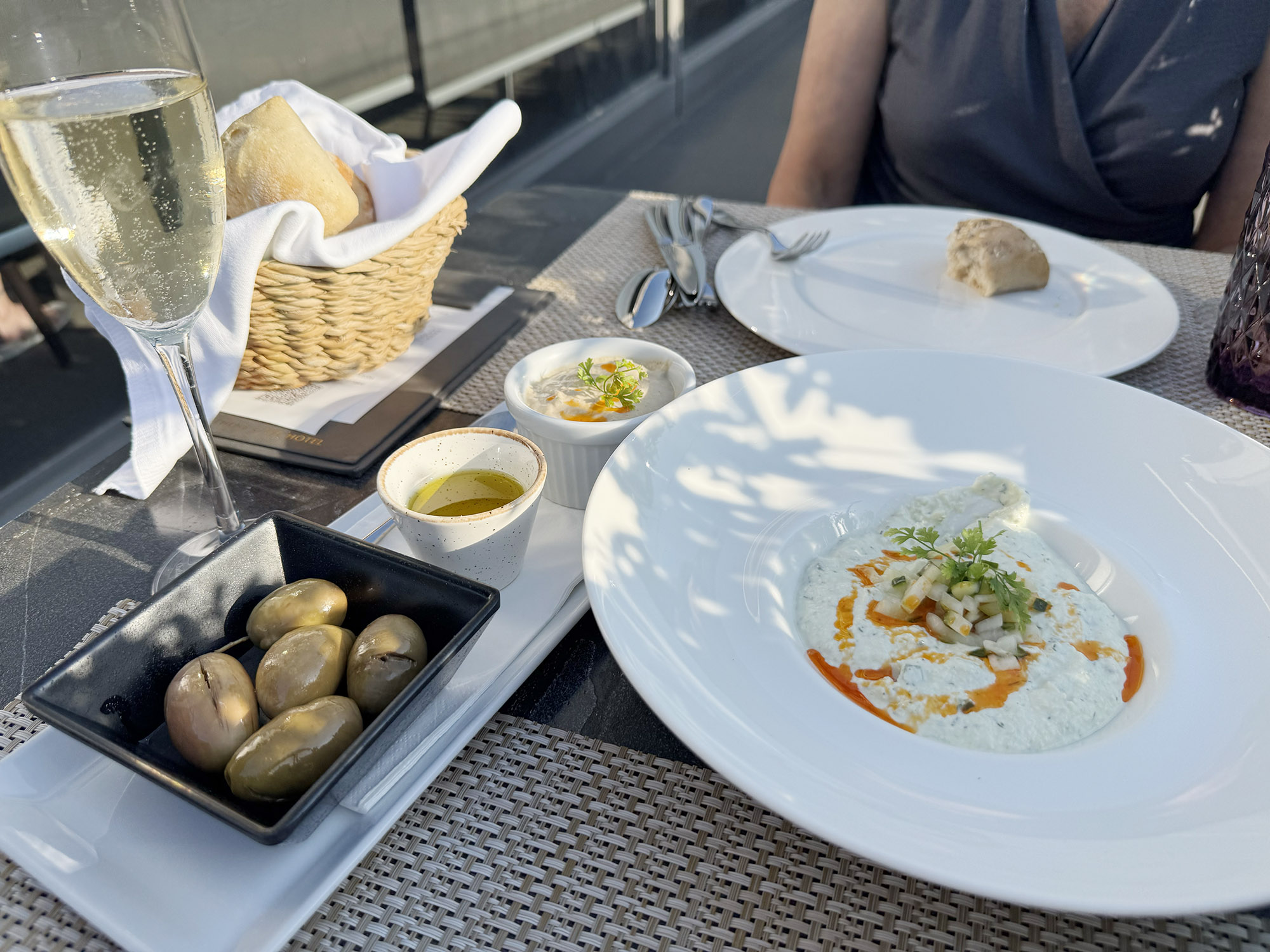
OMG, the food!
Greek food deserves its own love letter. That will come in a later post.
Plaka is filled with traditional tavernas serving everything from grilled souvlaki and fresh seafood to creamy tzatziki, flaky spanakopita, slow-cooked lamb, and some of the freshest salads you’ll ever eat.
And yes, the olive oil really does taste better here. Also, another dedicated blog post coming soon!
Pair dinner with a glass of Assyrtiko or Agiorgitiko wine, linger longer than you planned, and embrace the wonderfully unhurried pace of Greek dining.
Calories consumed while on vacation are simply collecting passport stamps. Or at least that’s my story, and I’m sticking to it!
Why You’ll Remember Plaka
Long after you’ve checked the Acropolis off your bucket list, there’s a good chance your favorite memories will come from Plaka.
Maybe it will be the tiny café where the owner insisted you try homemade dessert.
Maybe it’s the obscenely friendly people.
Maybe it will be the street musician playing in the park at the base of the Acropolis.
Maybe it will be that perfect little shop where you found the souvenir you’ll treasure for years.
Plaka isn’t about rushing from one landmark to another.
It’s about slowing down, looking up, getting pleasantly lost, and discovering why Athens has captured travelers’ hearts for thousands of years.
If you’re planning a trip to Greece, don’t just schedule time for the Acropolis.
Schedule time for Plaka.
Trust me. It’s the part of Athens you’ll still be talking about long after you’ve left. ♥